

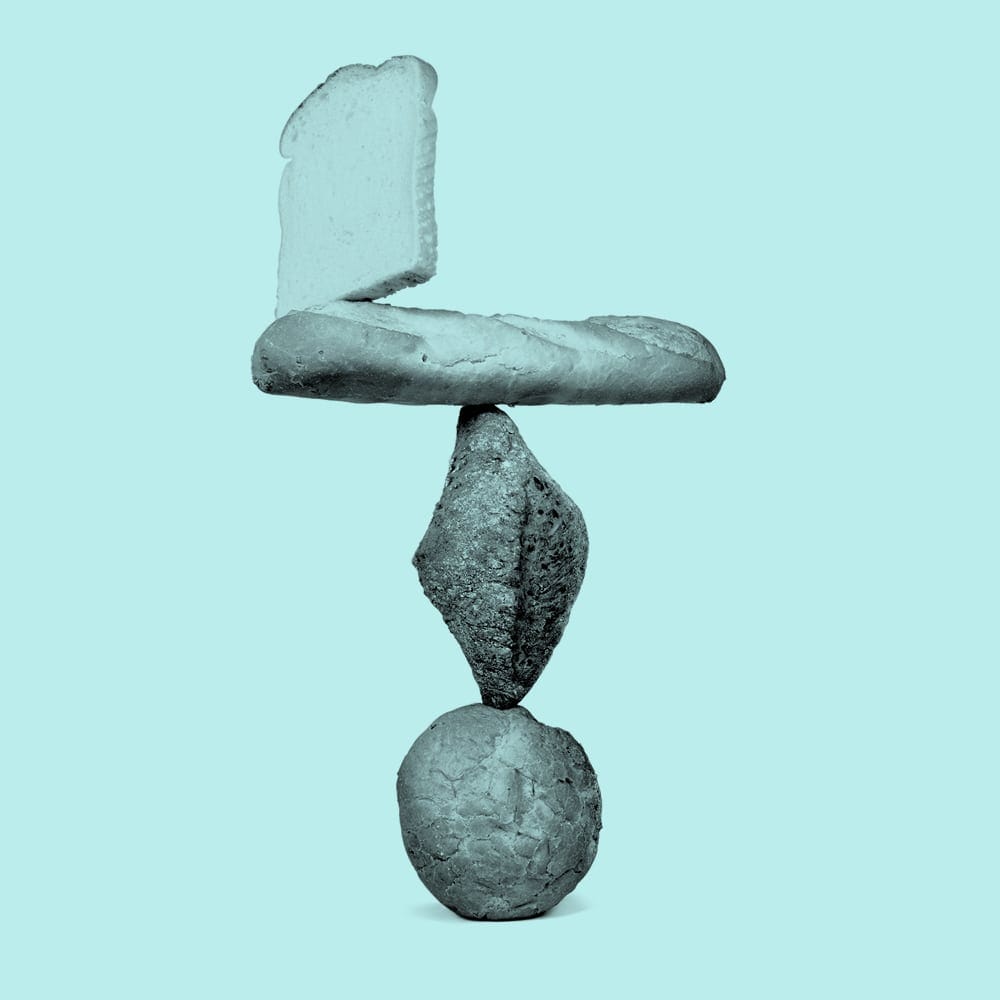
Challenger Banks Must Balance Financial Work and Philosophy
Fintech startups are currently wrestling with a dilemma facing their market: while consumers see challenger banks as an opportunity for better financial services, their confidence about the stability of the startups disrupting the industry is low. The market wants innovation and trust, and it seems it can’t have both.
Fintech’s innovation and trust dilemma was, this week, articulated sharply in Forbes by the Brazilian business and technology journalist Angelica Mari. She wrote,
I resent having to pay in order to maintain a bank account or a credit card. I think banks are old-fashioned and don’t offer enough visibility about my daily financial affairs. […] But how do we deal with the fact that these new companies looking to get their hands on such a valuable resource that is money (or the data about it), could disappear overnight – or face serious trouble and potentially jeopardize our finances?”
The threat of overnight disappearance is real. Having observed the failure of fintech startups, Mari articulates a question that is pressing for many consumers and providers alike:
So how do we deal with the need to improve the way we interact with financial institutions through technology advancement versus the issue of trust – particularly when trust is broken?”
Precisely.
If you trust neither the old guard or the new disruptors, what can be done to move finance, and specifically banking, forward?
A Deeper Dilemma of Philosophy
It is tempting to think that the solution to fintech’s innovation and trust dilemma is to be found in an approach to fundraising, operational transparency or technological mechanics. To be sure, financial stability, transparency and the quality of the tech is critical. But those mechanics of the matter paper over a deeper, more philosophical challenge at the heart of this issue. It is a philosophical challenge because it has to do with the core experience of what it is like to be alive and navigating practical life today – what might be called the phenomenology of today’s financial consumers.
The Phenomenology of Contemporary Consumers
Two concepts greatly impact the experience of life today and underlie the dilemma impacting fintech: progress and security. Both are so central to contemporary lived experience that most would agree they are not just nice-to-haves but necessary conditions for social, political and economic flourishing. Or if ‘flourishing’ sounds too idealistic, it would be uncontentious to claim that progress and security are, today, assumed to be necessary conditions for the functioning of life as we would like it to be. Aware of the problems in our societies, economies and politics we want things to improve, but with an increased awareness of our own vulnerability, we also want to feel that we are safe.
The attractiveness of progress and security is no accident. In their very meaning, both concepts seem to empathise with the human condition and, in turn, offer hope. Progress literally means ‘to walk forward’. And in common parlance, the forward motion of progress is understood as change that is not just variation on what has come before but variation that is necessarily good. Progress is change for the better.
Security is equally compelling. The root word of security is the Latin ‘securus’, meaning ‘free from care’. At a basic human level, it is understandable that we would want to feel like we are at once moving forward and free from care.
“The practical tension between innovation and trust is an instance of the existential tension between progress and security.”
The desirability of both progress and security helps explain the dilemma currently playing out in the fintech startup scene. While we may talk about fintech’s challenge as being about innovation and trust, the tension operating in the industry is that between progress and security. Consider again the question Angelica Mari askes in her Forbesarticle, “So how do we deal with the need to improve the way we interact with financial institutions through technology advancement versus the issue of trust – particularly when trust is broken?”. Would it be so different to ask, “How do we bring about progress in finance when we feel so insecure?”? The practical tension between innovation and trust is an instance of the existential tension between progress and security. And that tension runs deep.
Progress and security are fundamentally at odds with each other. Progress disrupts the stability that is needed in order for us to experience a sense of security. We feel secure if we believe our banks cannot fail. In other areas of life, we feel secure if we have good reason to think intelligence bodies are ‘on top of’ attempted acts of terrorism, or that we will be able to access healthcare when necessary.
But while the value of security is felt so strongly, progress will not be outdone. In the comfort of security, we can’t help but want life to be better. And so progress tantalises, and the dilemma is felt. Both progress and security are important but at odds with each other.
To Move Forward, Balance Financial Work and Philosophy
Given the depth of the dilemma, what can be done in the instance of fintech startups?
The philosophical reality of the matter suggests that the solution goes beyond simply pursuing greater funding rounds or increased transparency. While the startups operating in this space should at least do those things, the deeper reality of the matter suggests that an awareness about humanity needs to be brought into the discourse on this matter.
The innovation and trust dilemma is not just about tech, money and confidence. It is about a deep, and understandable, anxiety that is central to the human condition. We would do well to keep that philosophical realisation in mind as we navigate the evolution of finance.
More Articles

Be more strategic
Swimming upstream with strategy veteran and Salmon Labs founder, Rob Estreitinho. Dr. Brennan Jacoby and Rob discuss all things strategic thinking.

7 Areas Where Philosophers Will be Needed
We are now in an era of hyper-change. This is called the Great Acceleration. So what happens when things are shaking?


